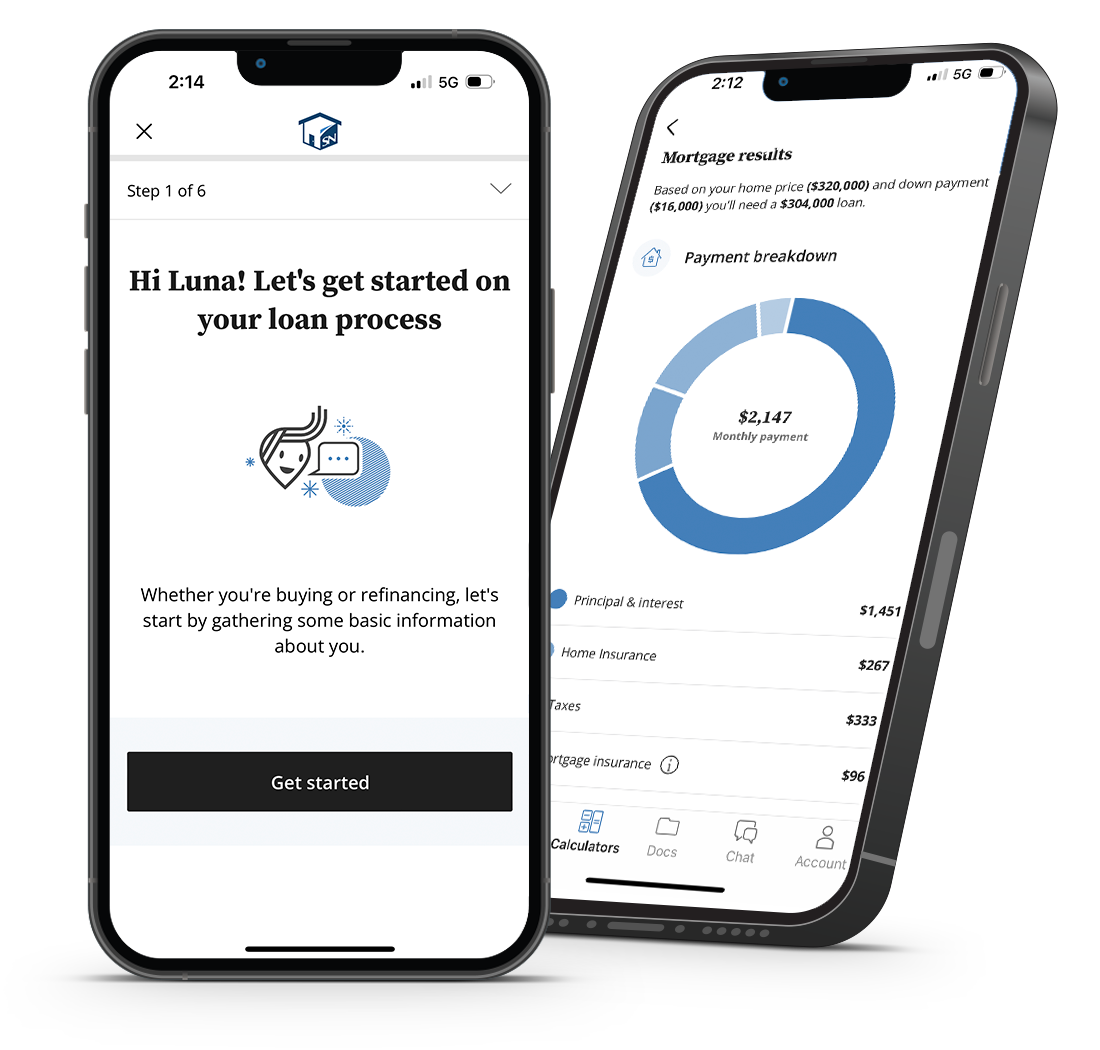
Pre-qualification starts the loan process. Once a lender has gathered basic information about a borrower's income and debts, an opinion can be made as to how much the borrower should qualify for in purchasing a house. Since loan programs vary between credit, debt and down payment requirements, borrowers should get pre-qualified for each loan type they qualify for and are considering. Being pre-qualified is only a limited analysis and doesn't hold a lot of weight when it comes to negotiating a contract or reassuring a seller. There are many aspects to fully qualifying that could change a borrower's ability to qualify for a mortgage. Some of these things include: credit, length of employment, type of income, debt, liens or judgments, property type or condition, and other issues that come up during the approval process. Although it's tempting to start your home search before getting a pre-approval, we suggest you get that step completed sooner than later so you're armed with the knowledge of your real shopping budget and the power to negotiate the best deal.